Rooftop garden house
Chevy Chase, MD
A flood-prone property is reimagined as a resilient, light-filled urban home designed for long-term living.
A flood-prone property is reimagined as a resilient, light-filled urban home designed for long-term living.
more info...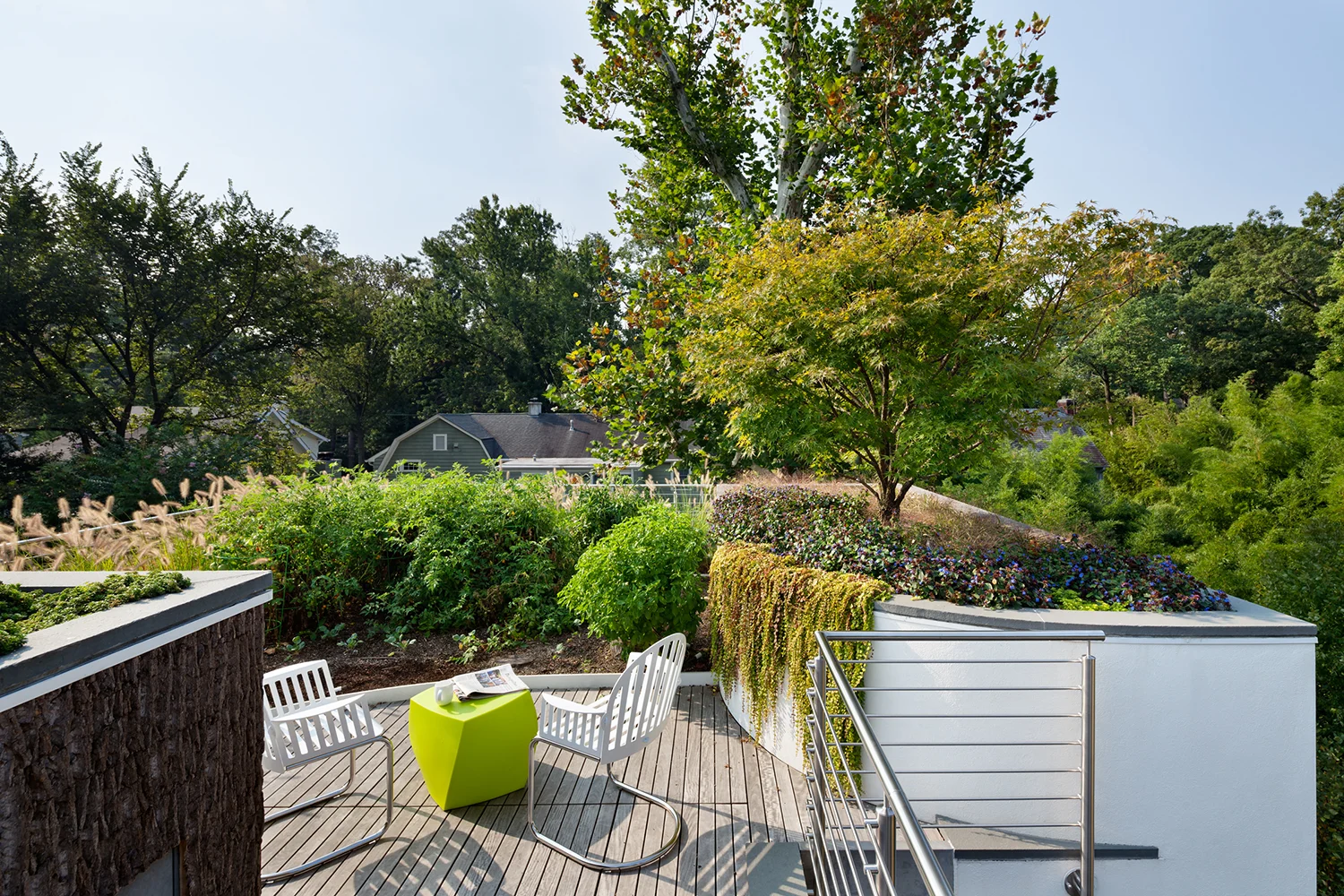
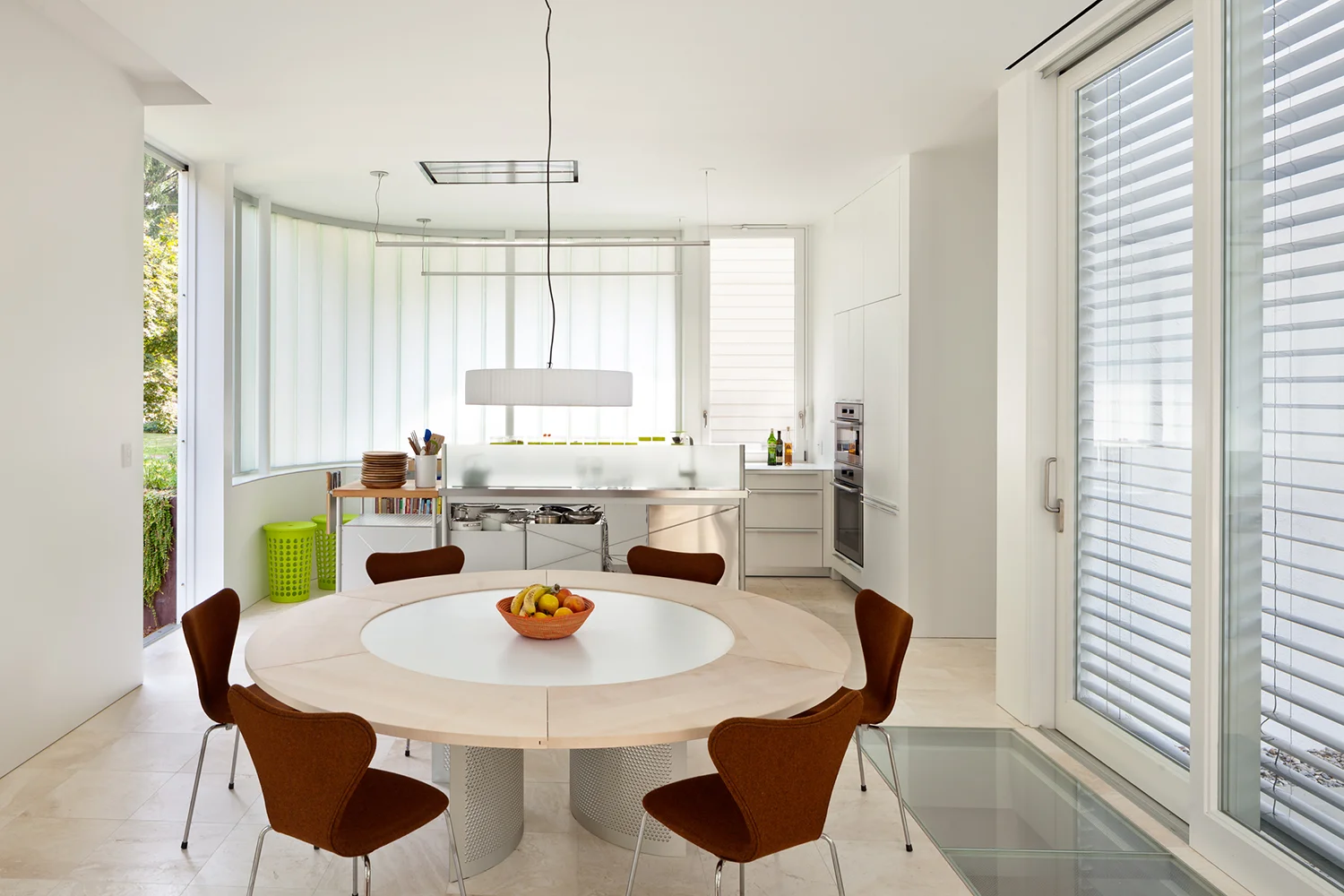
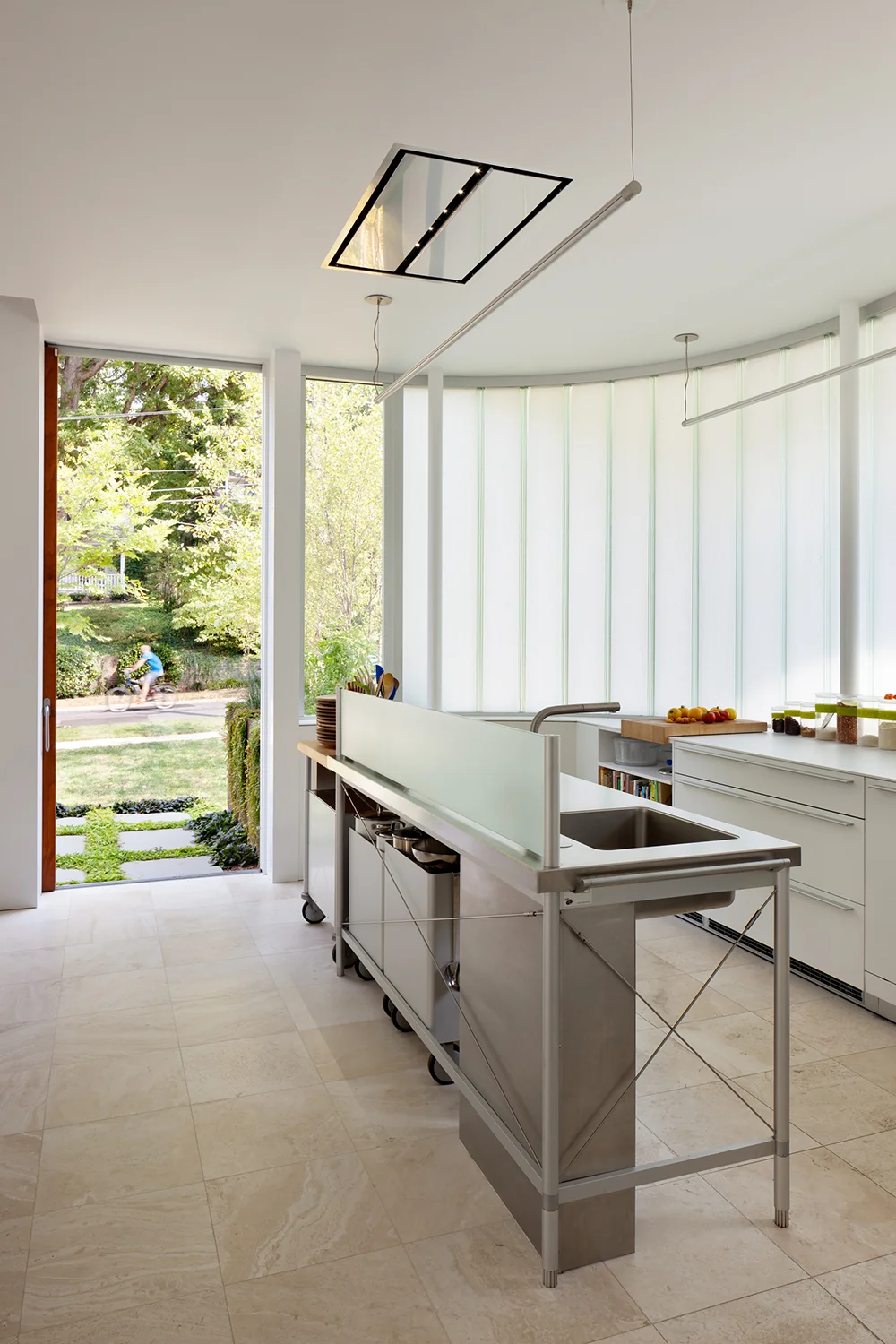
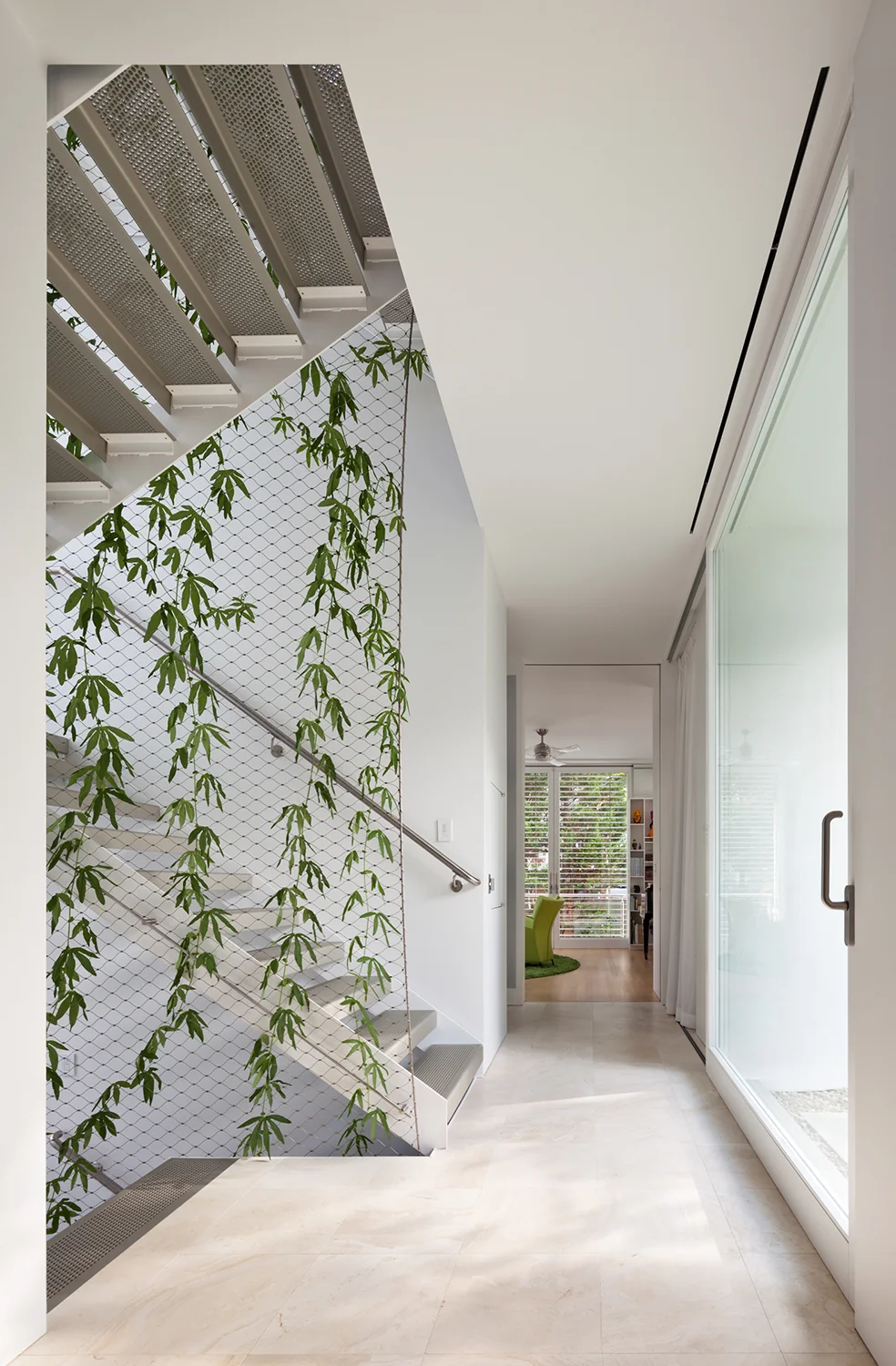
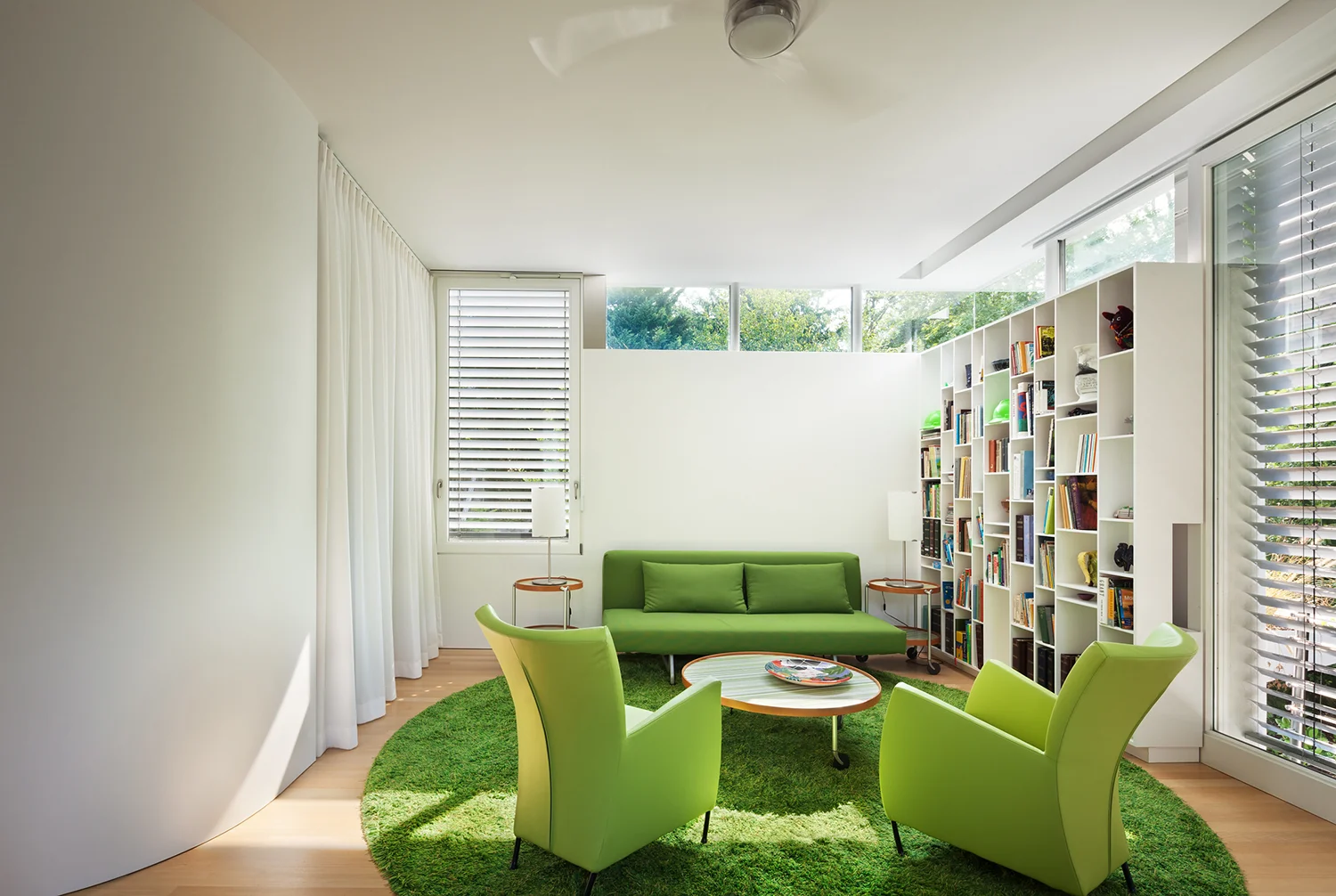
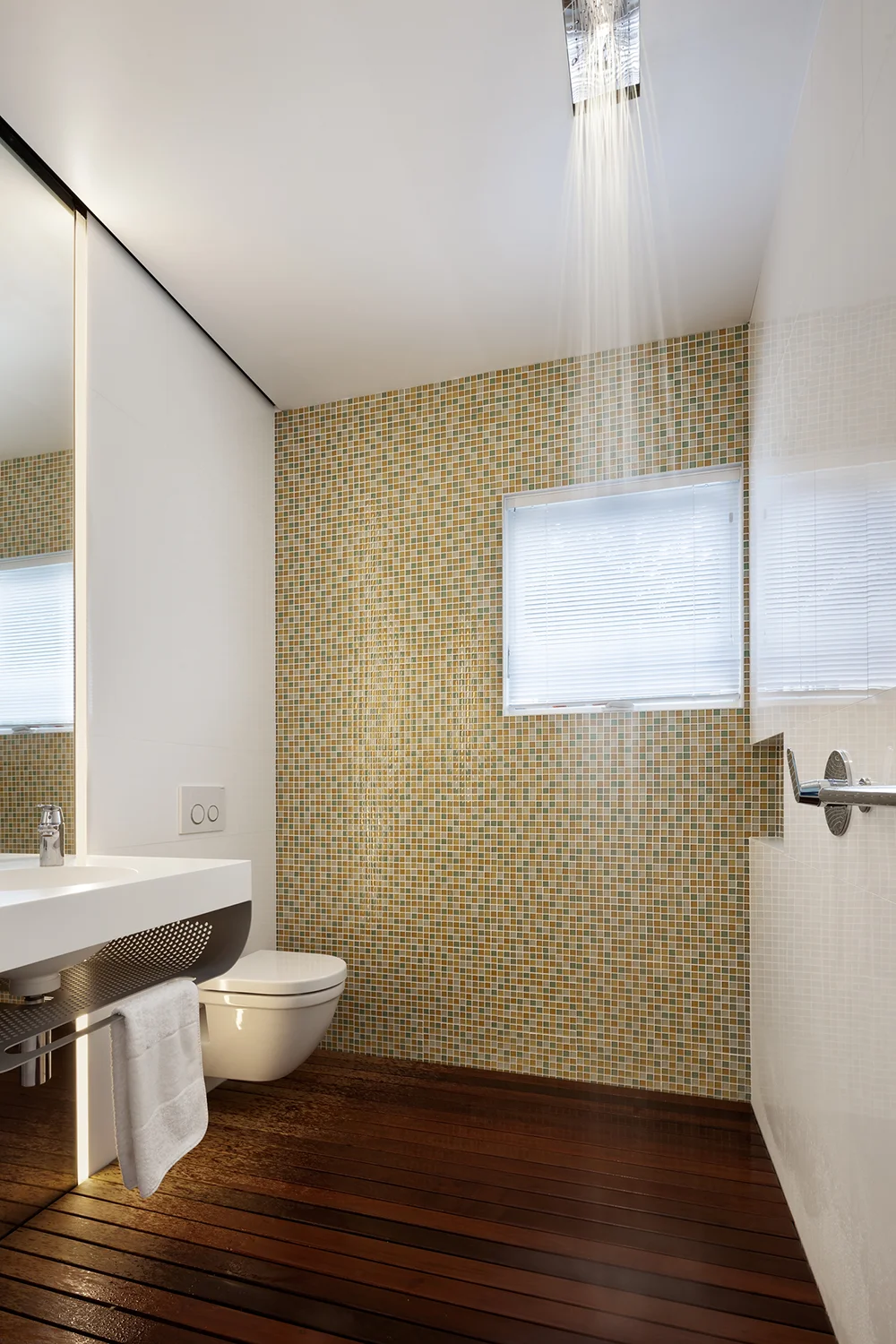
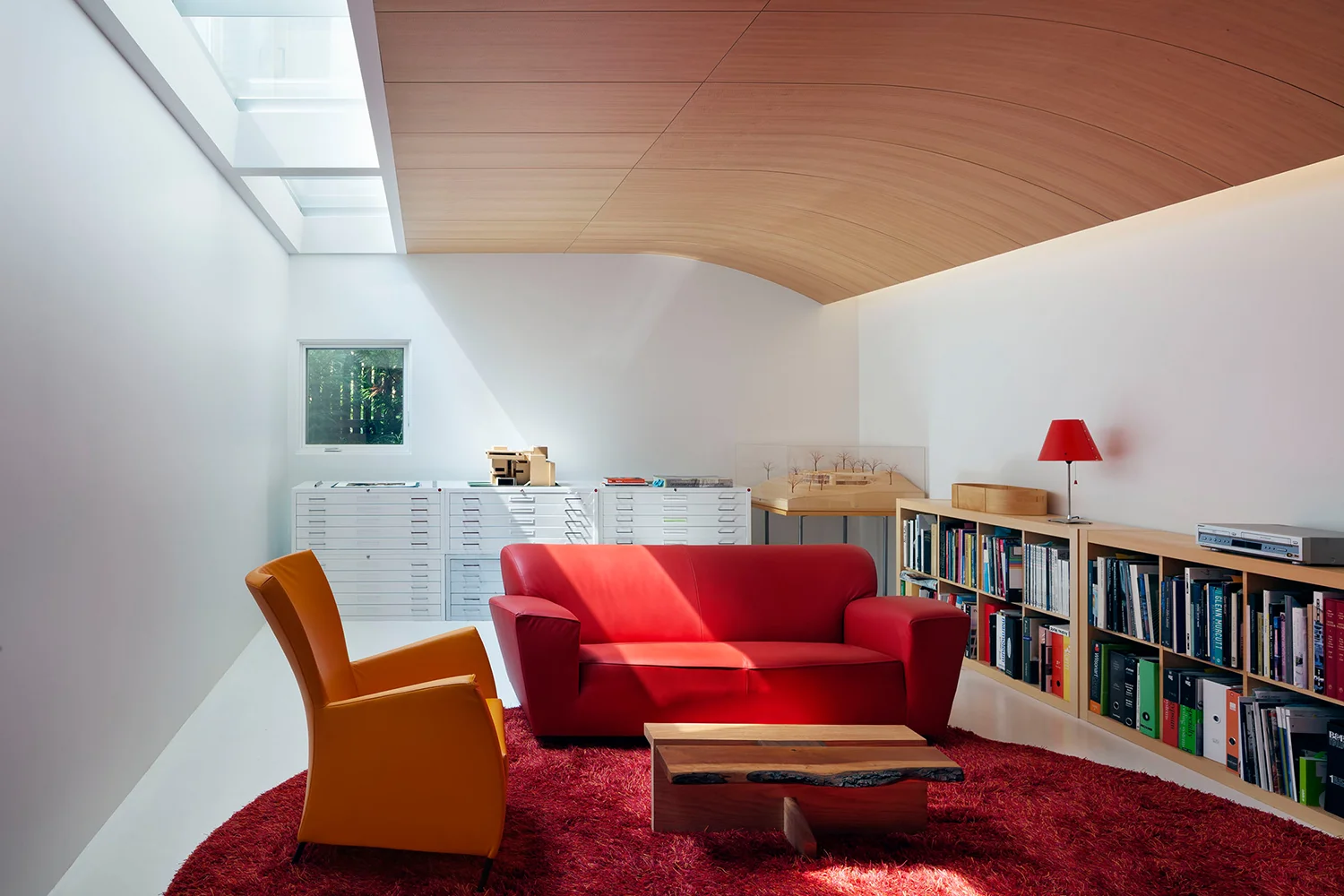
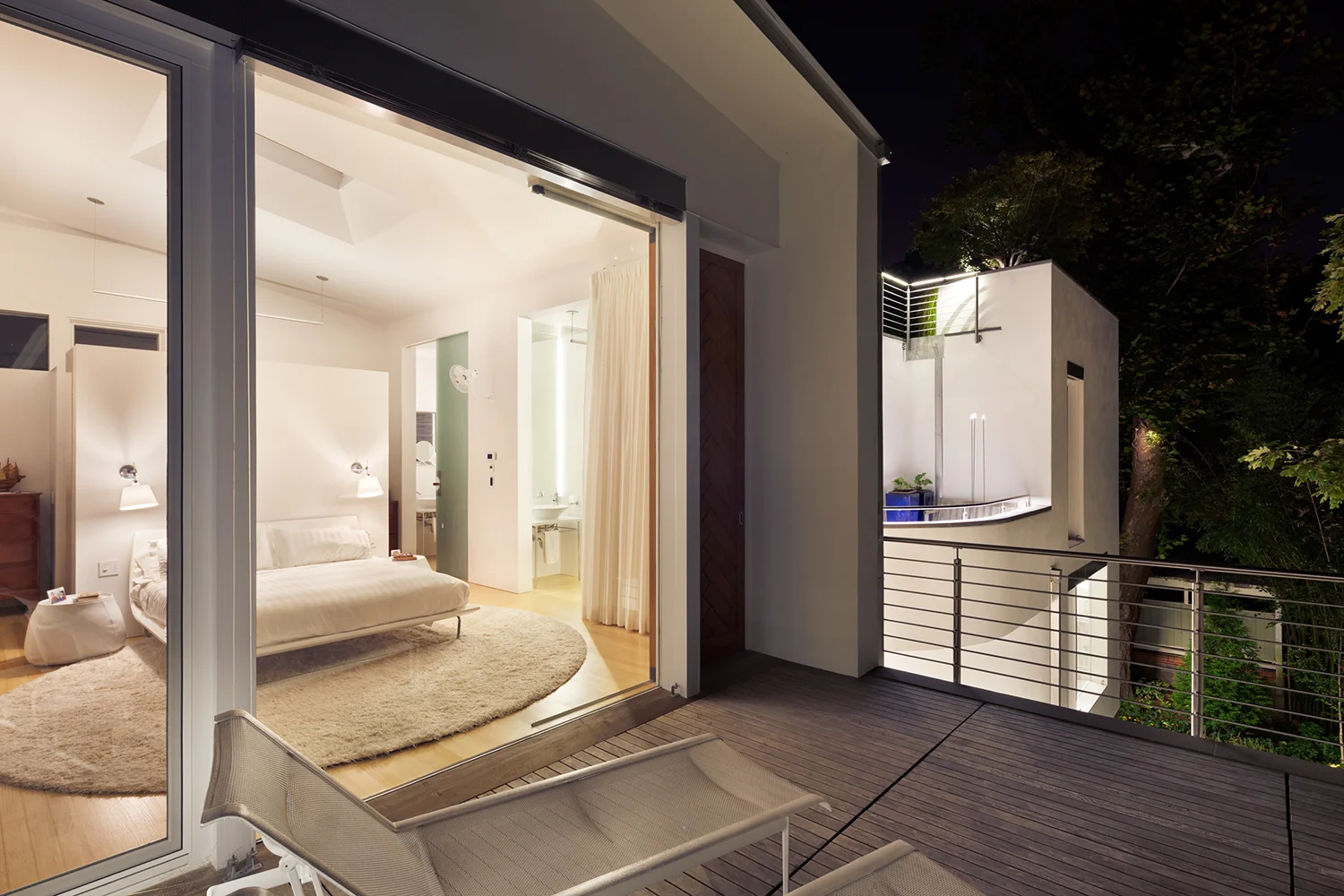
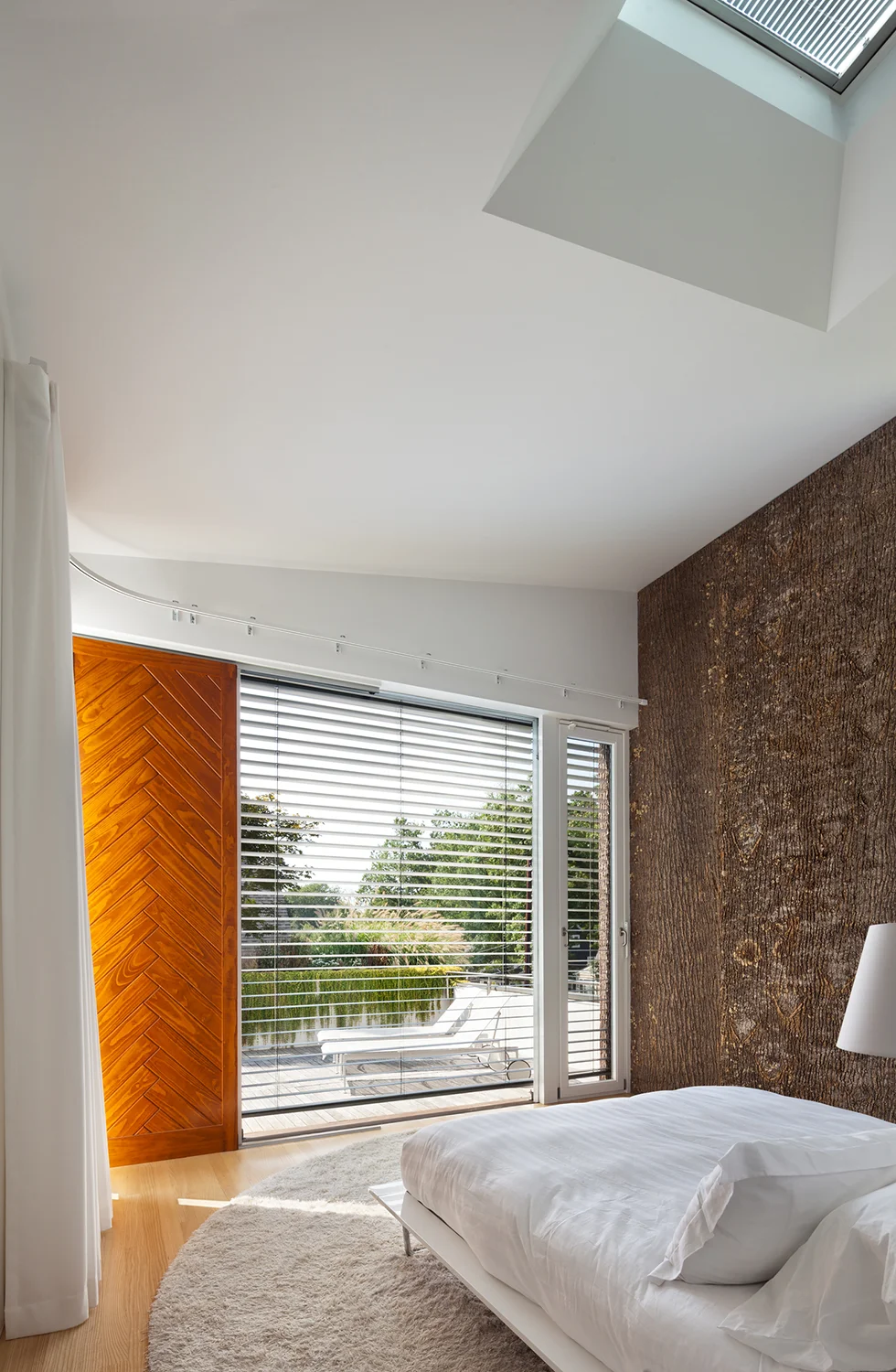
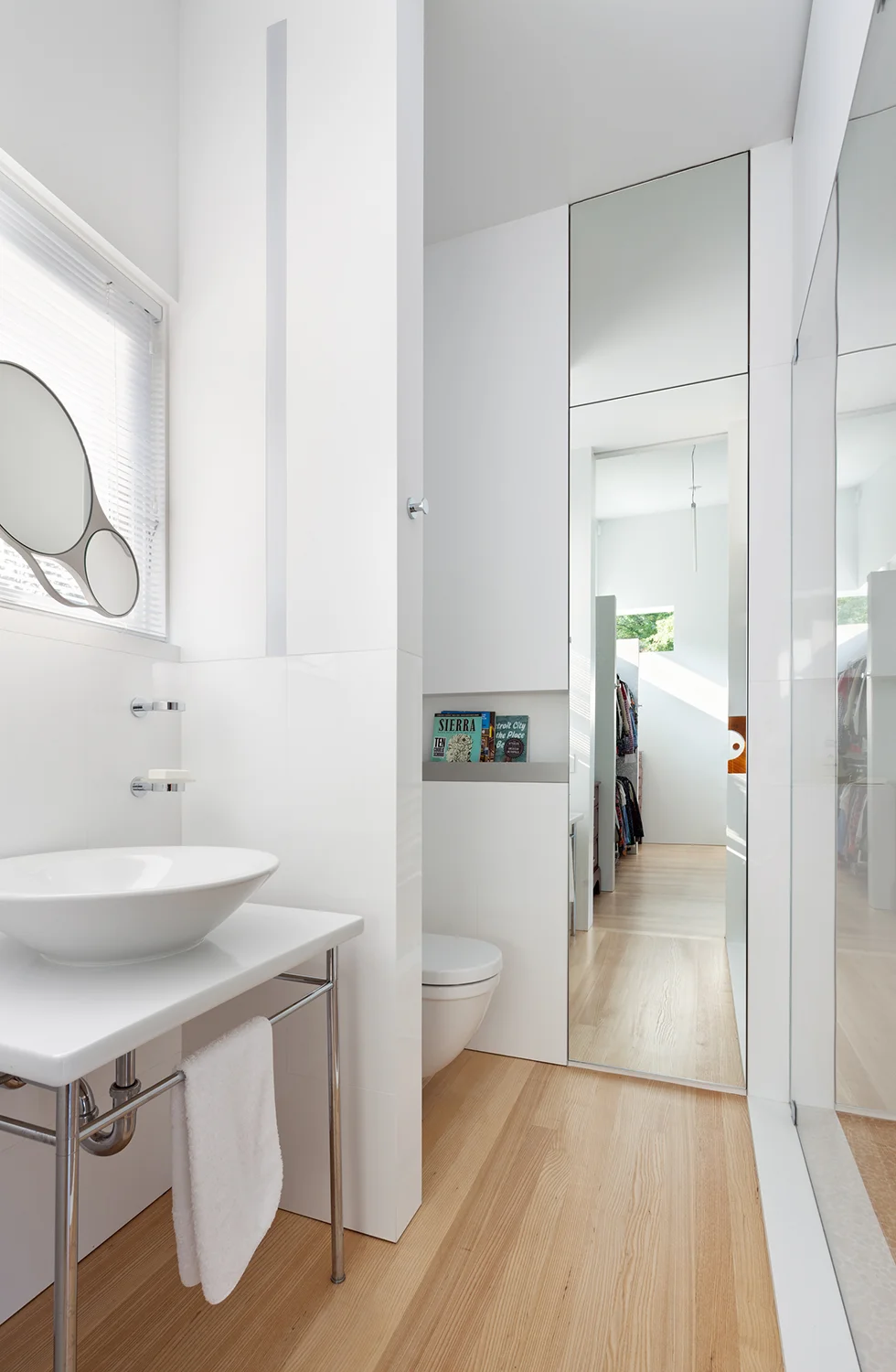
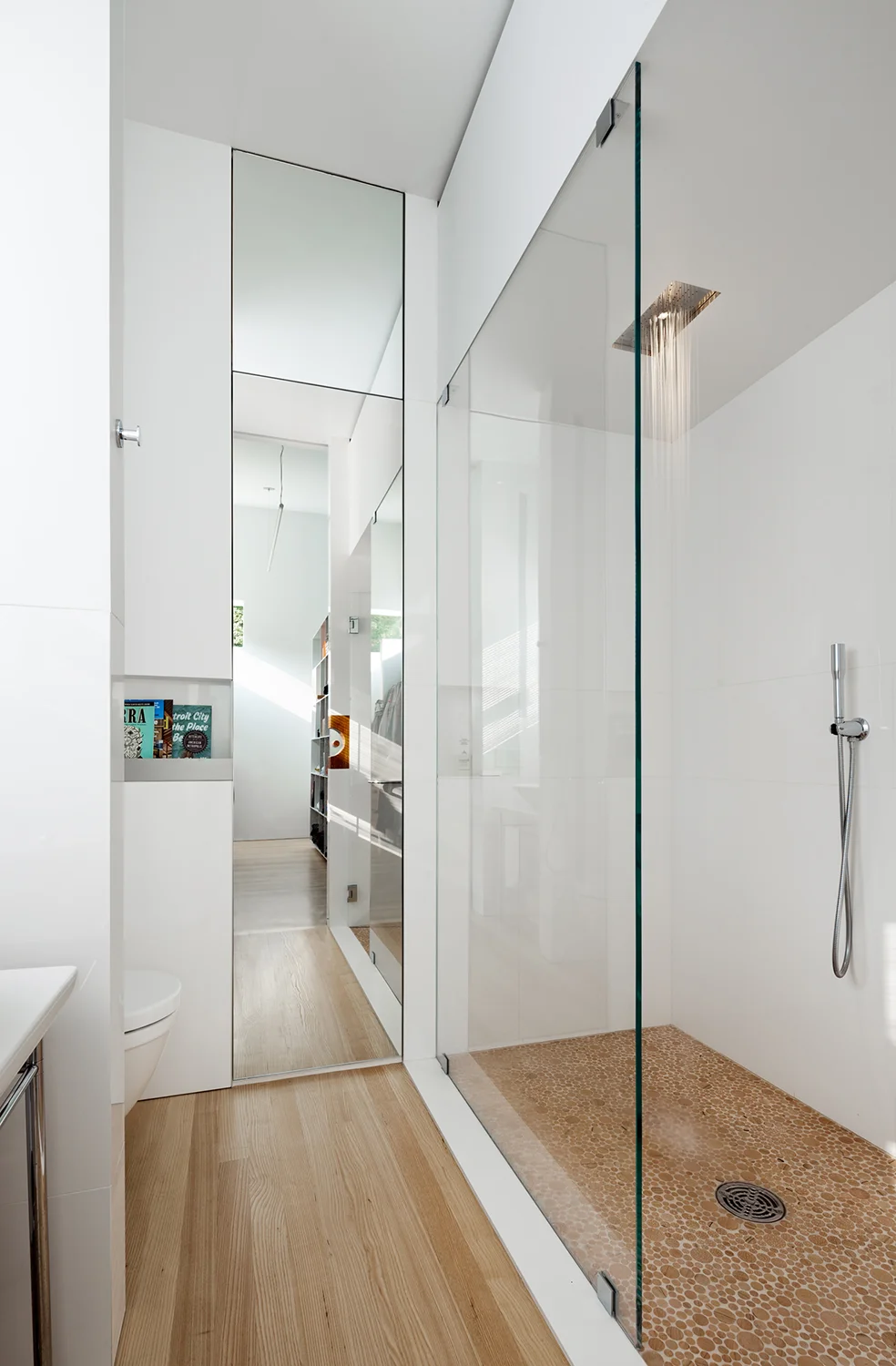
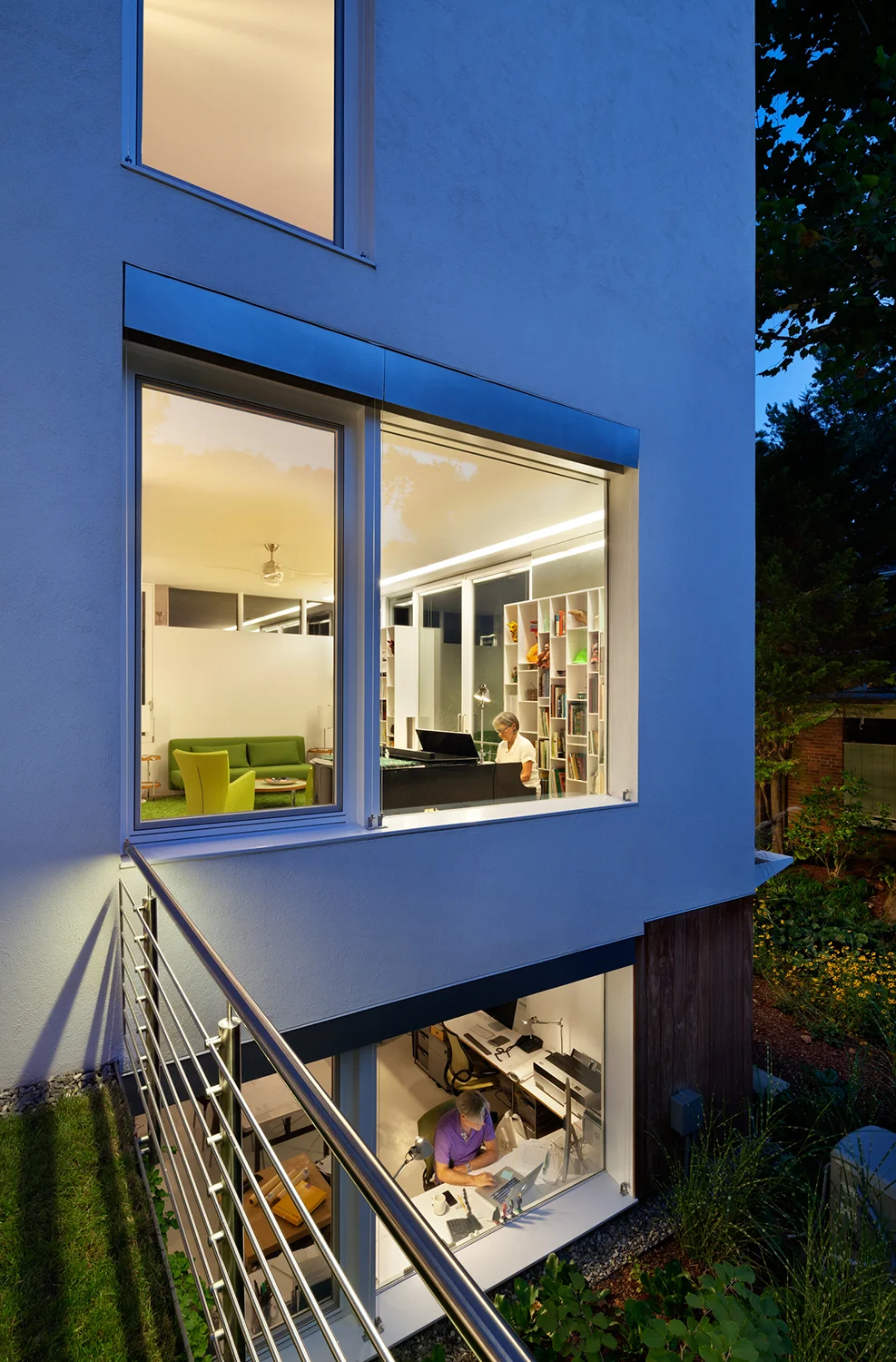
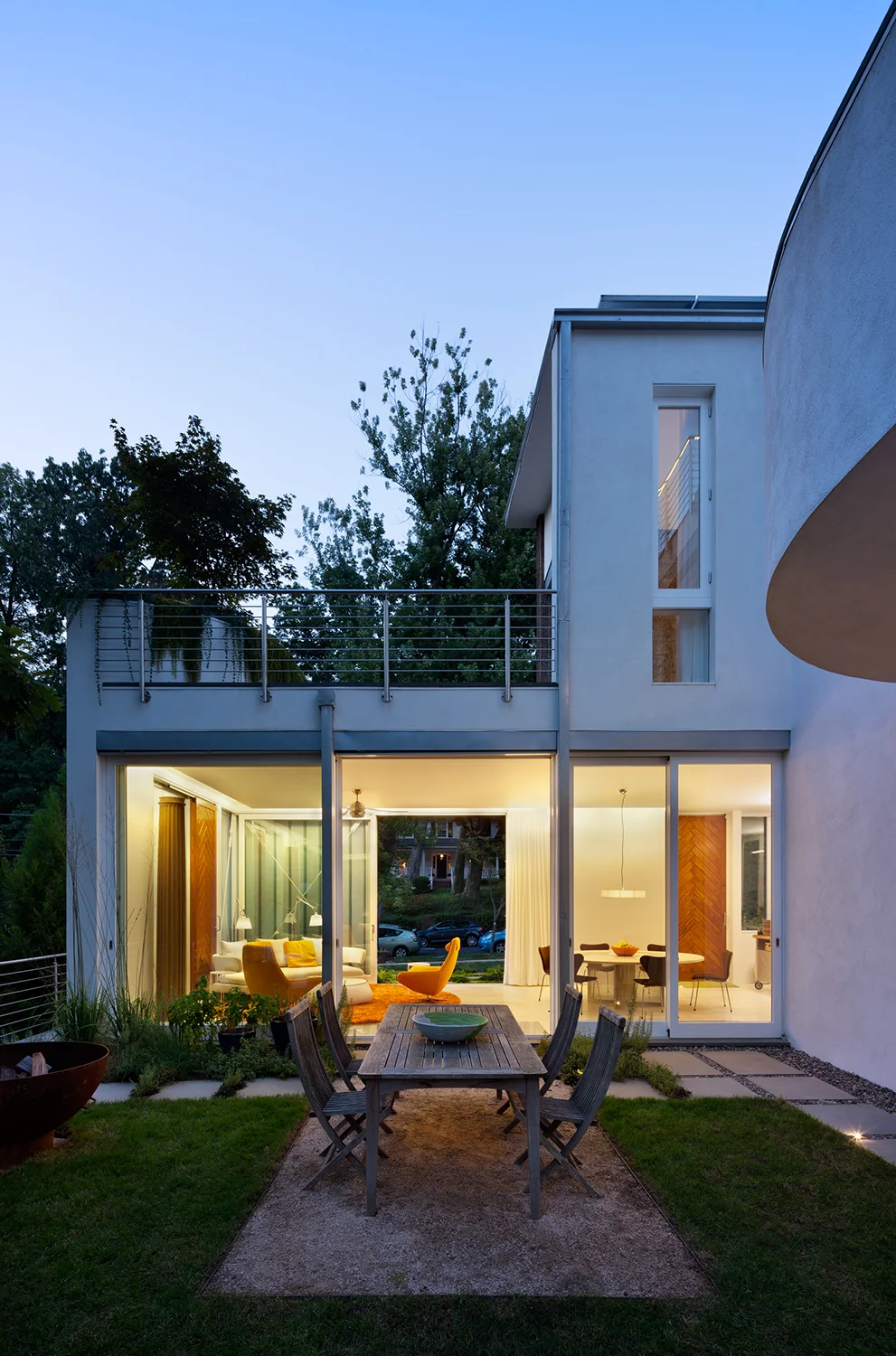
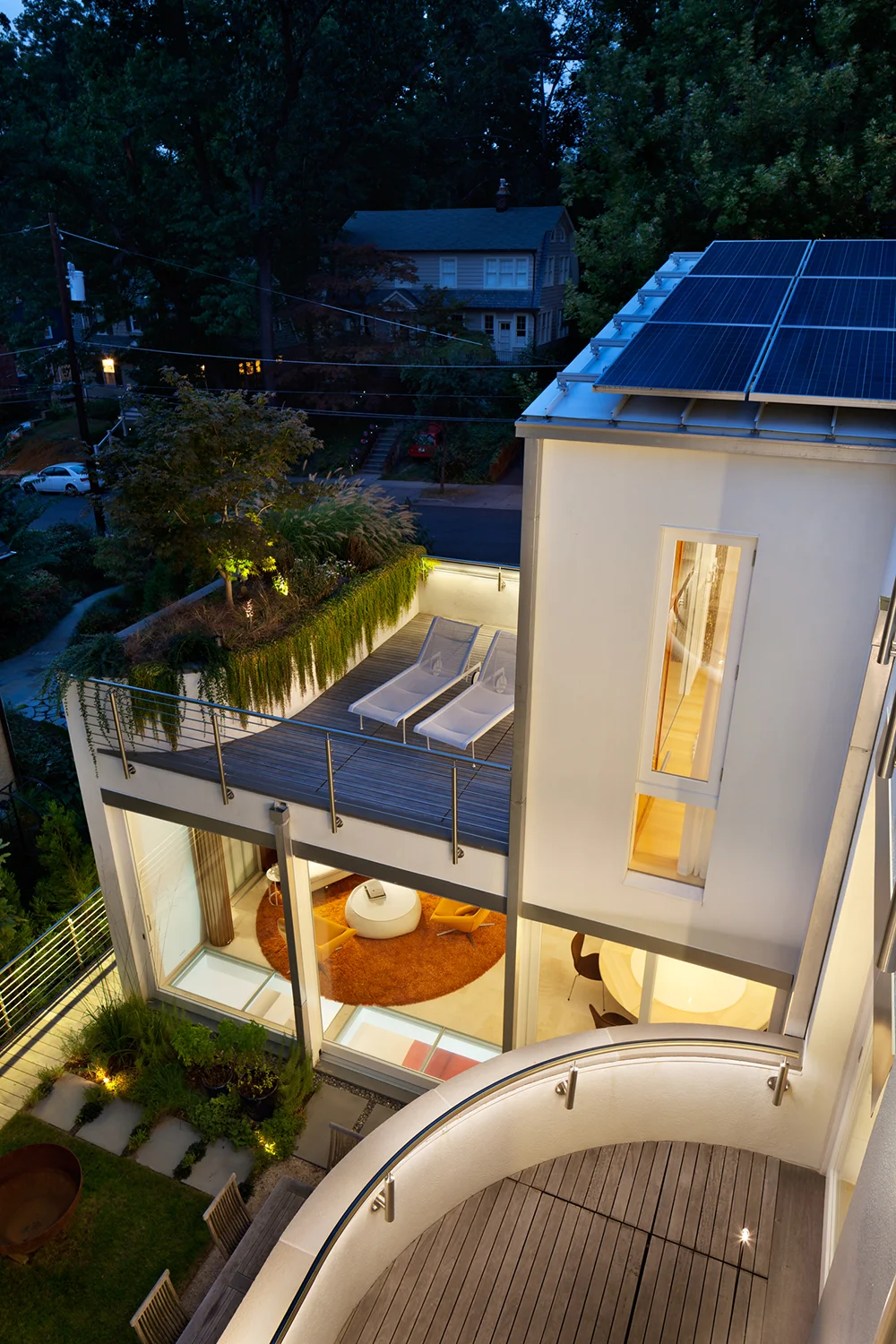
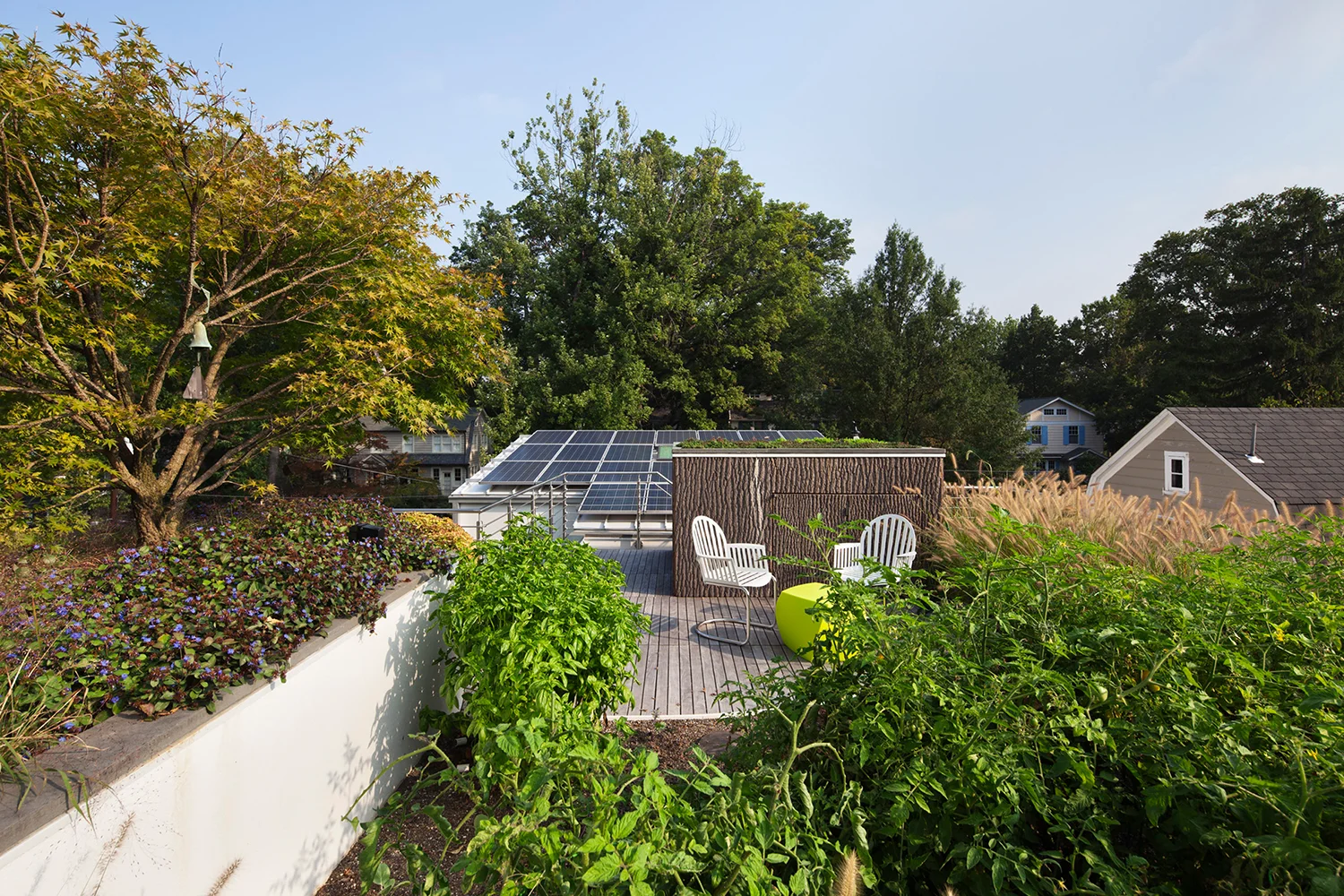
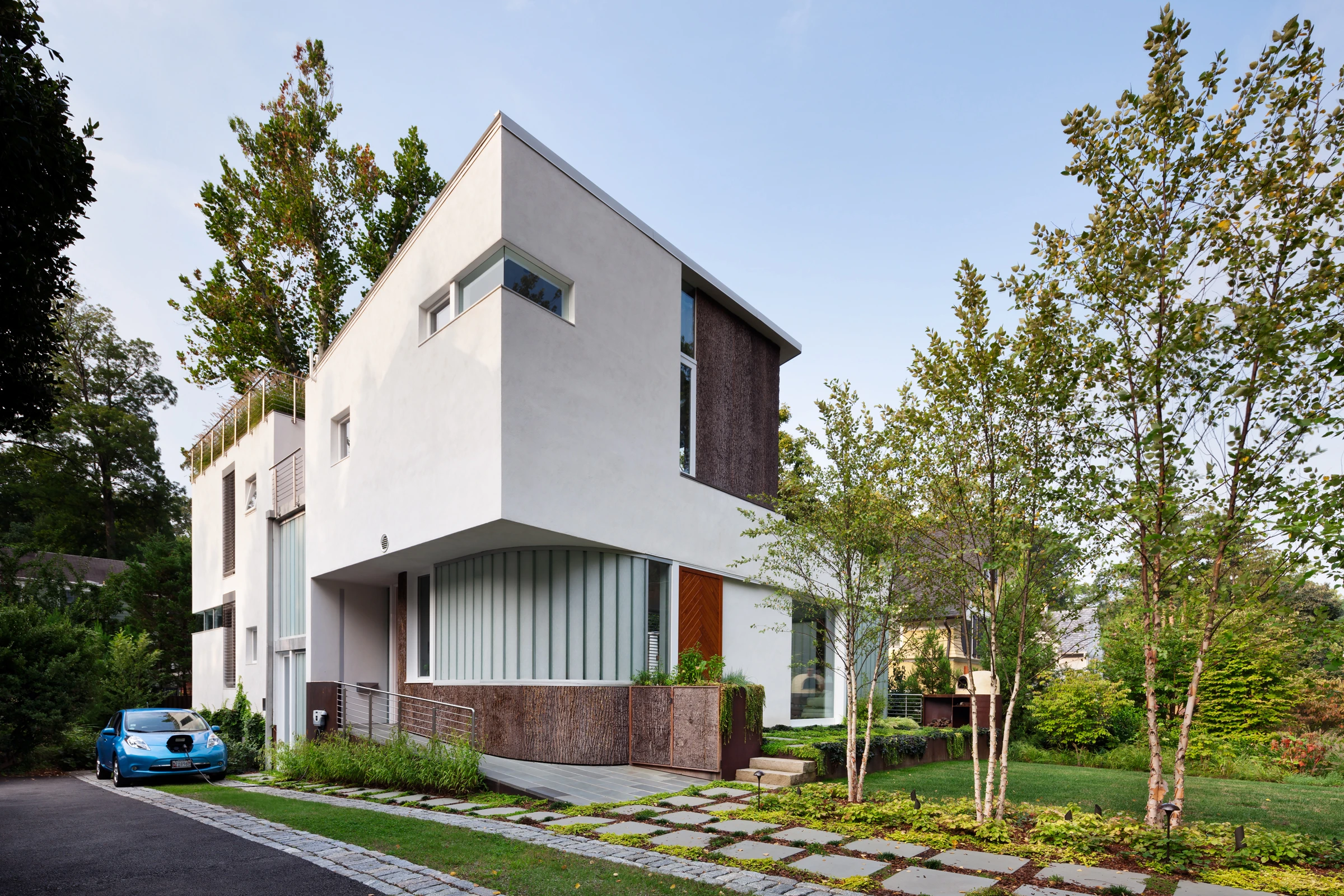
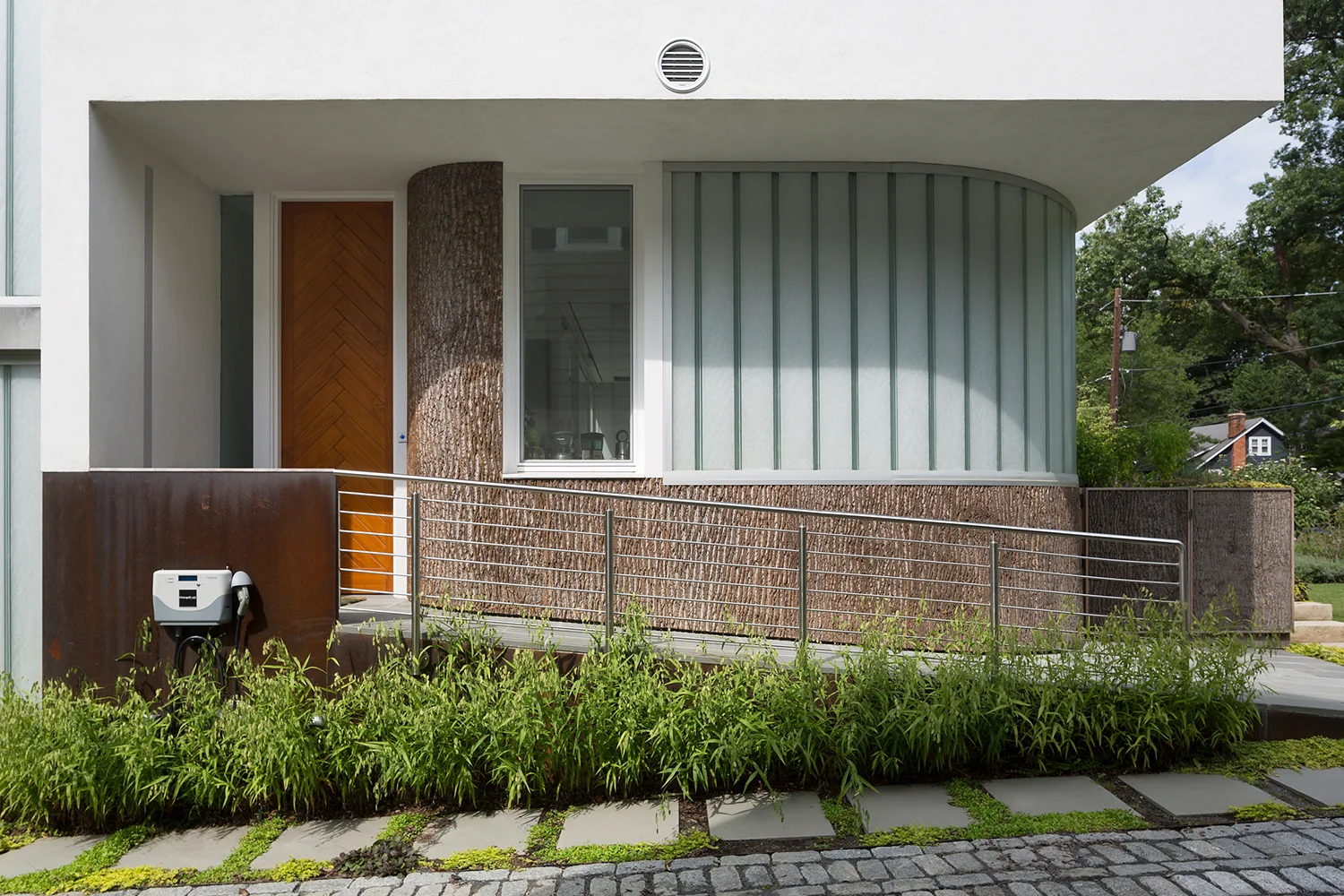
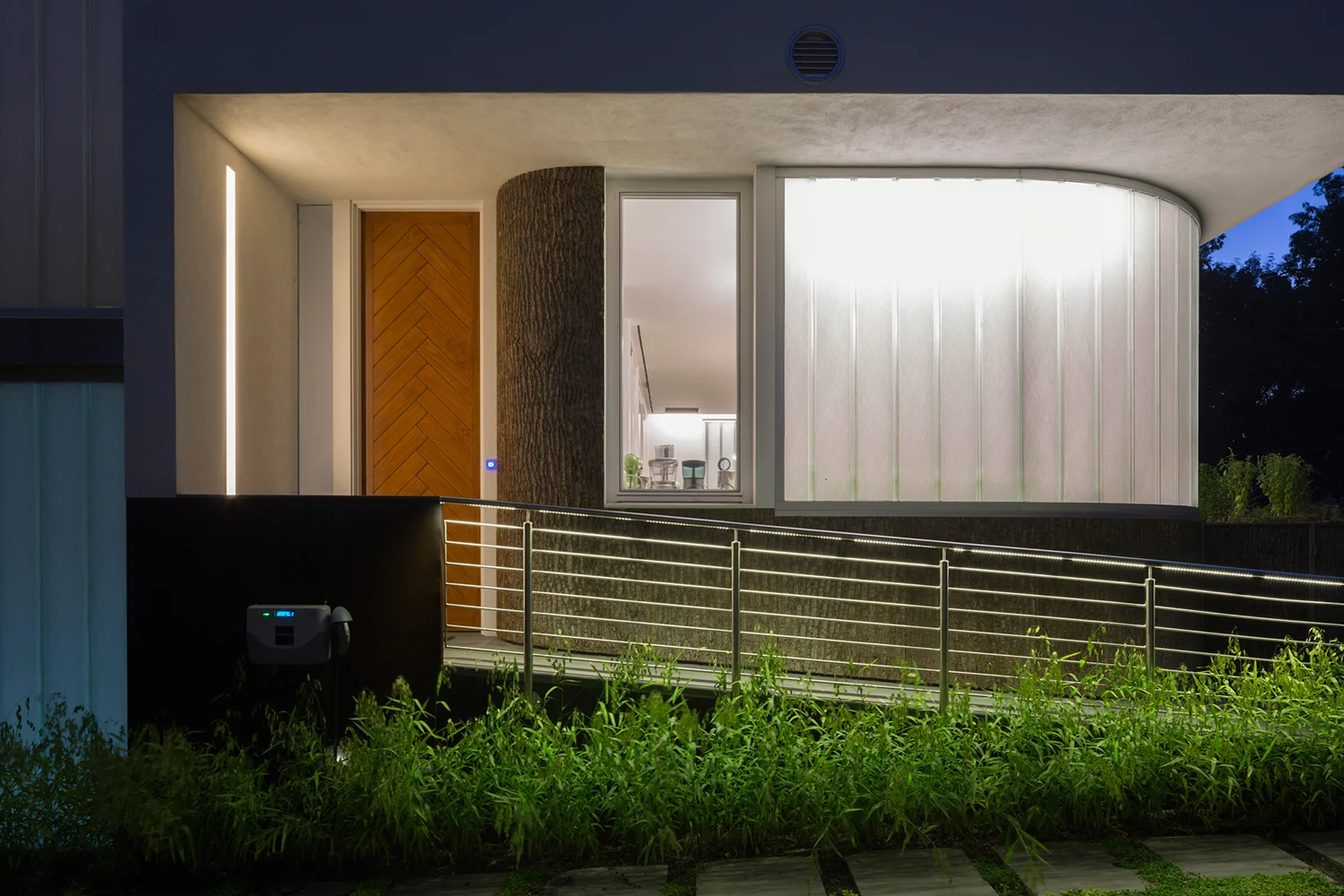
After years of living on this sloped urban site near Washington, DC, the homeowners faced a difficult reality: every heavy rain brought inches of water into the basement. Plumbing systems were failing, and the aging structure required constant repair. They could invest heavily in a compromised house — or begin anew.
They chose to start over.
Rather than simply demolish the existing home, it was carefully deconstructed through a vocational training program, allowing materials to be salvaged and reused while providing hands-on education for young tradespeople. In its place rises a modern dwelling designed not only to solve past problems, but to embody the owners’ long-term values: sustainability, innovation, resilience, and connection to landscape.
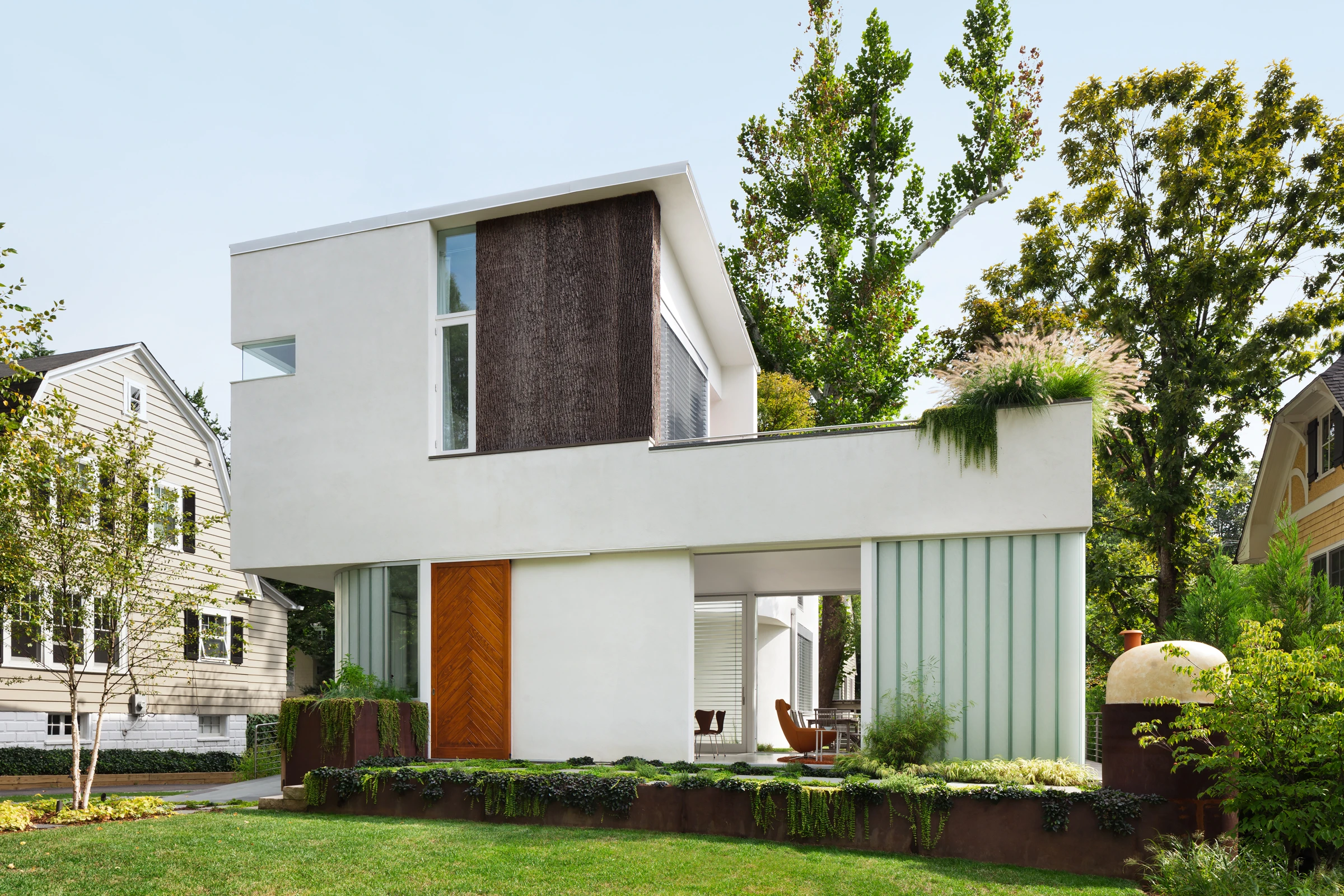
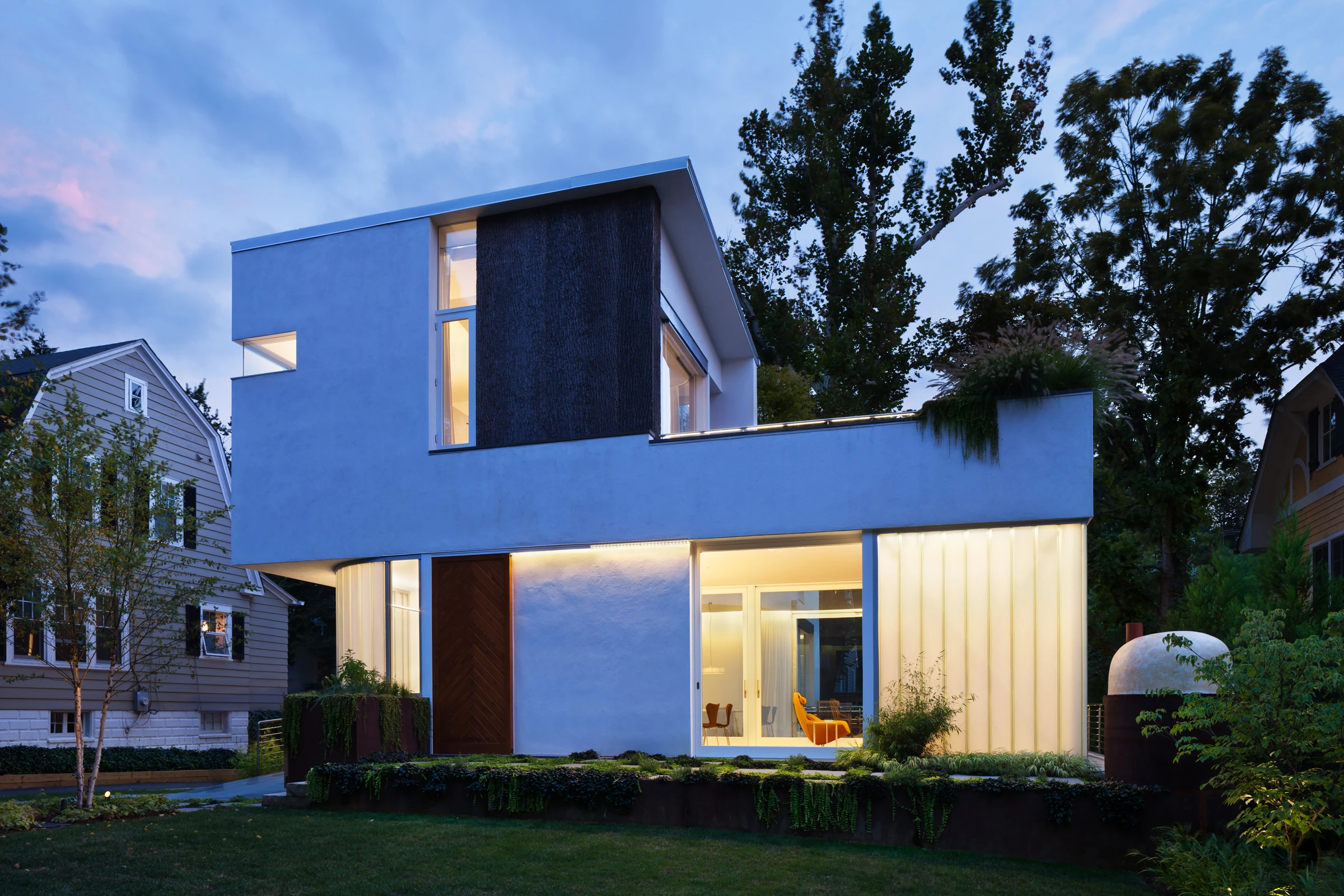
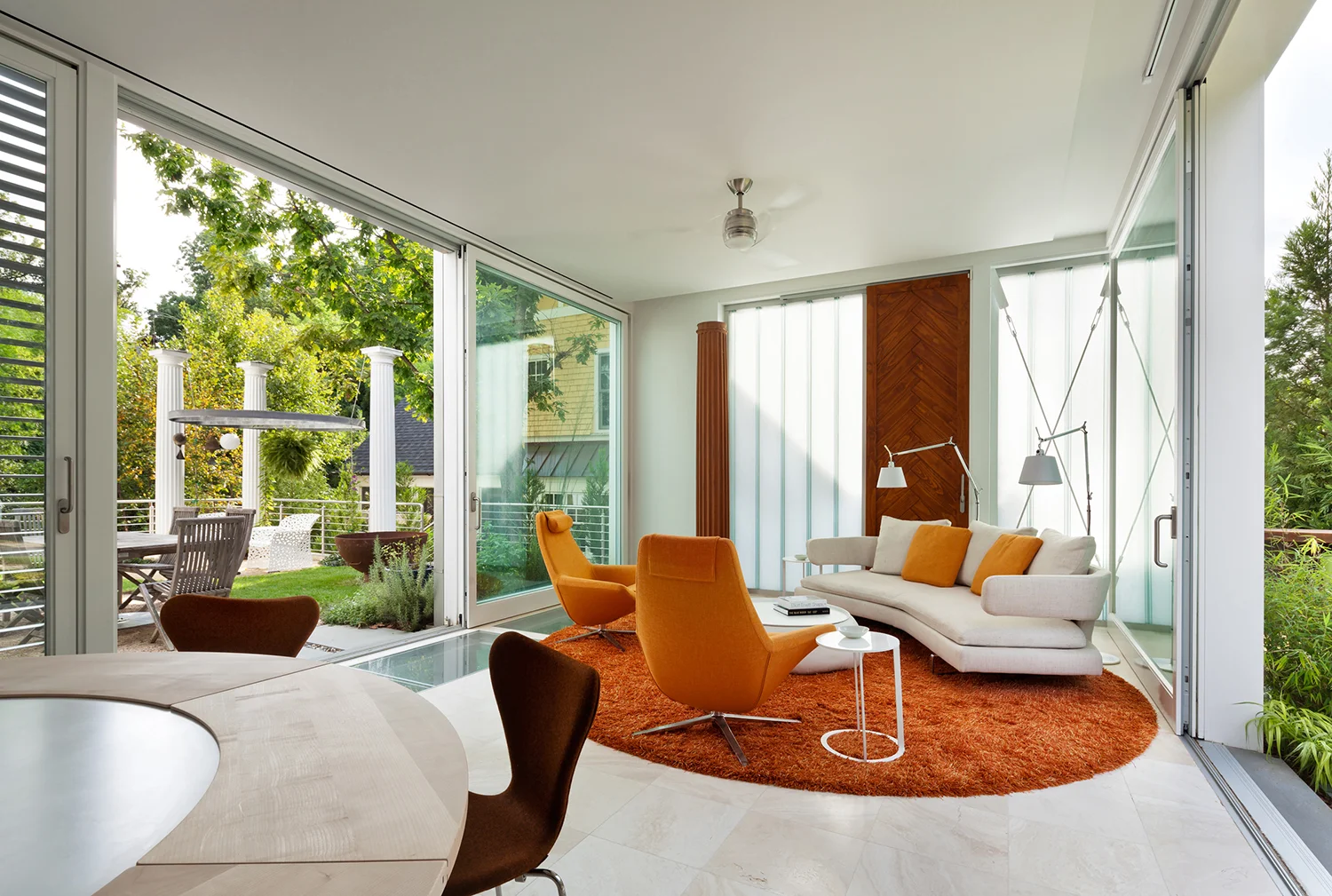
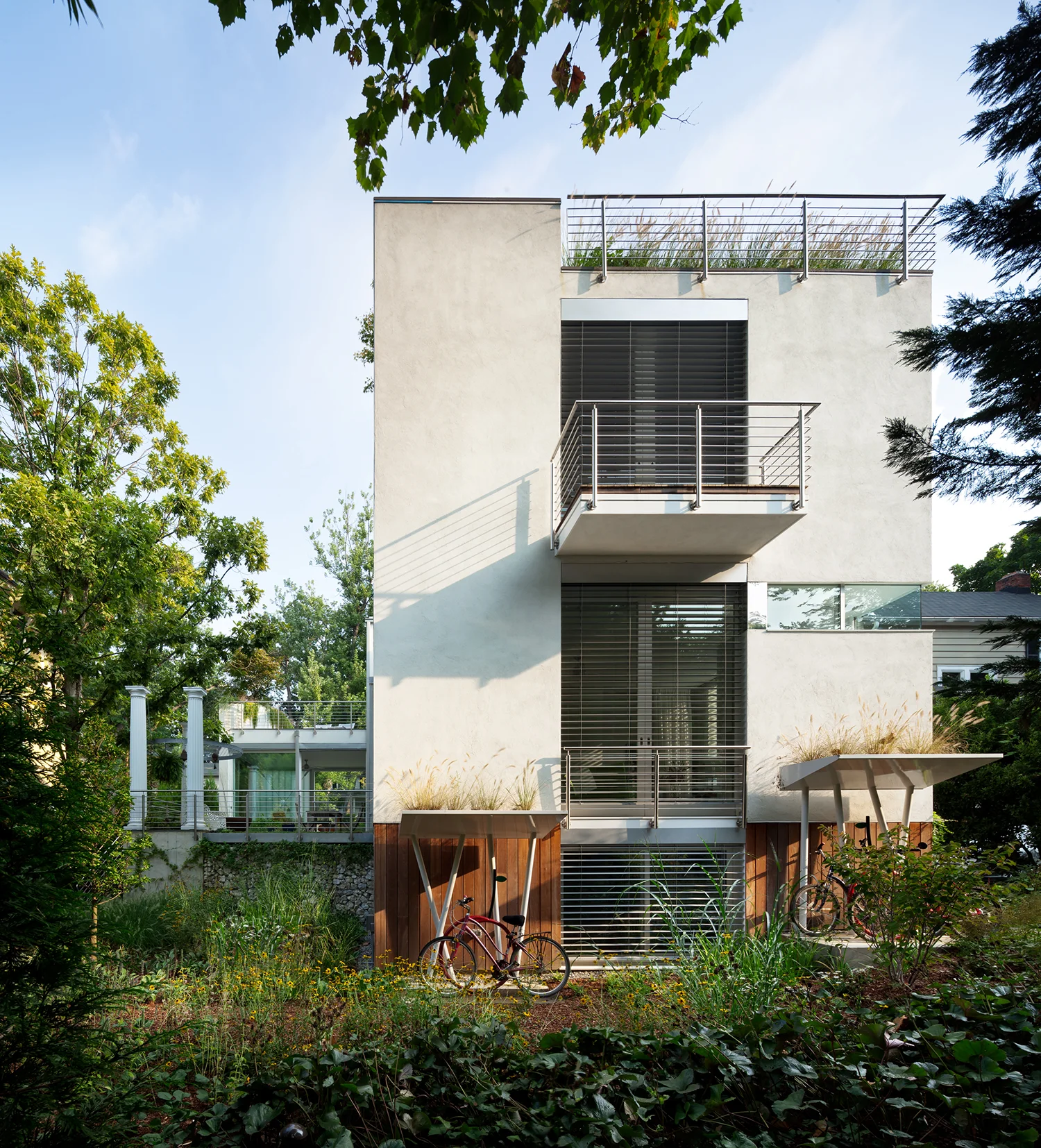
The new L-shaped form embraces the site’s slope, enclosing a terraced garden while creating a sequence of indoor-outdoor “viewing platforms” across multiple levels. Expansive operable glazing, high ceilings, and a central stair tower flood the interiors with daylight from all sides and promote natural cross ventilation. Even the lower-level family room is daylit from above through interior glass flooring.
Water, once the site’s greatest liability, became central to the solution. Rooftop gardens and planters reduce runoff and temper heat gain, while a network of cisterns, drywells, permeable paving, and rain gardens manage all stormwater on site. Collected rainwater irrigates native, drought-tolerant plantings and rooftop vegetables. The entire landscape is sculpted to slow, store, filter, and return water to the earth.
Energy performance was approached with equal rigor. A highly insulated, carefully sealed envelope minimizes thermal loss (R-36 walls, R-50 roof), while engineered wood framing reduces thermal bridging and material use. Radiant floors, a ground-source heat pump, energy recovery ventilation, and smart controls maximize comfort with minimal consumption. A 6kW photovoltaic array supplies renewable energy, enhancing both efficiency and resilience.
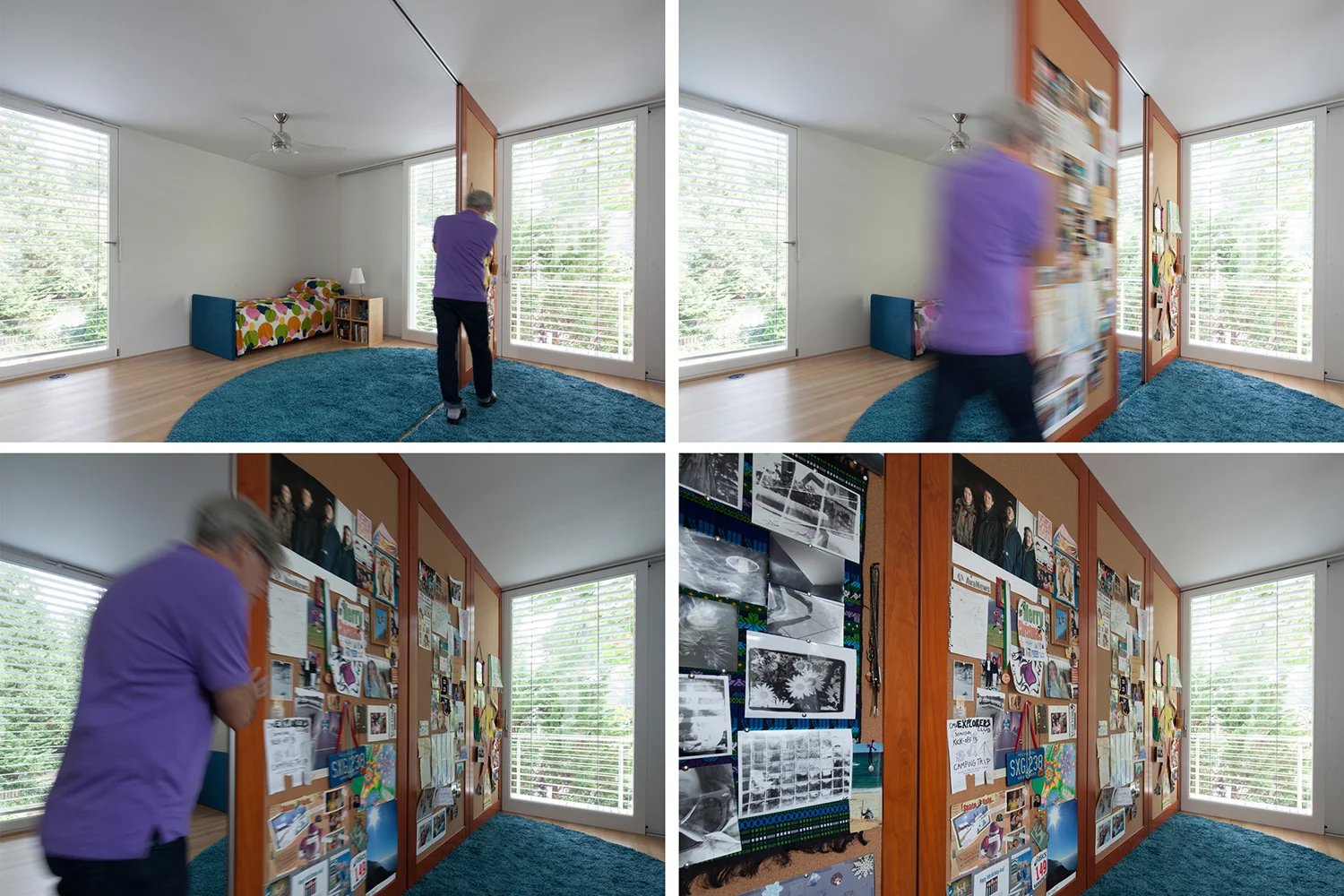
Designed for aging in place, the main level includes a wheelchair-accessible entry, adaptable kitchen and bath, generous circulation, and flexible multipurpose rooms. Movable partitions and simple room geometries allow the home to evolve over time.
Located within walking distance of transit and neighborhood amenities, the house engages its community through layered terraces — including a welcoming front “porch” and outdoor pizza oven — while demonstrating how sustainable urban living can be both beautiful and practical.
What once was a house struggling against water is now a dwelling shaped by it — resilient, luminous, and designed to serve its occupants for generations.